In today's rapidly evolving construction industry, sustainability has transitioned from a desirable feature to an essential requirement. Whether you're an architect designing LEED-certified buildings, a contractor specializing in green construction, or a property developer committed to environmental stewardship, the choice of materials significantly impacts your project's ecological footprint. This comprehensive guide explores how recyclable fiberglass mesh provides innovative solutions for sustainable construction applications, combining structural reinforcement with environmental responsibility.
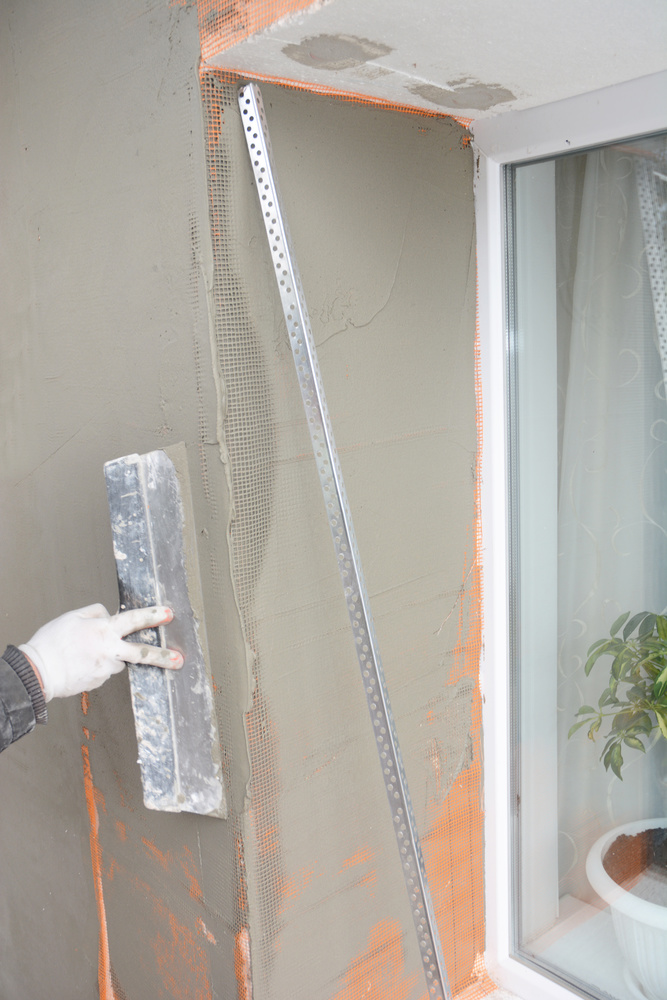
Sustainable construction practices incorporate recyclable materials at every stage
Problem Statement
The construction industry faces mounting pressure to address its environmental impact, which accounts for approximately 39% of global carbon emissions. Traditional building materials often contribute to significant waste, with construction and demolition debris representing a substantial portion of landfill content. Specific challenges include:
Non-recyclable reinforcement materials that end up in landfills after building lifespan
Resource-intensive production processes with high carbon emissions
Limited circular economy integration in construction material lifecycle
Growing regulatory requirements for sustainable building certifications
Increasing client demand for environmentally responsible construction solutions
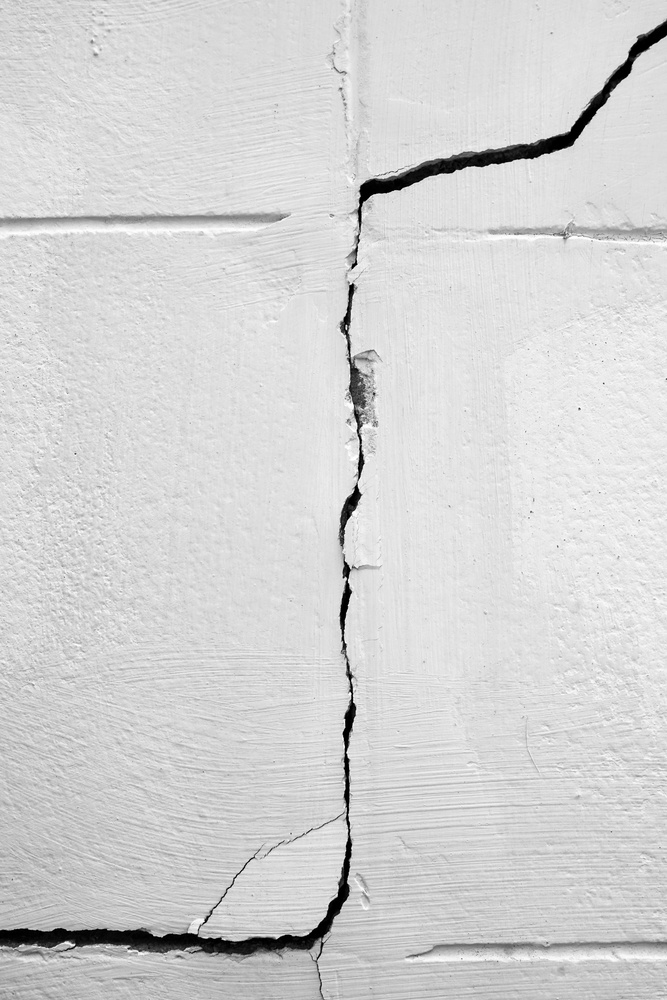
Cracked walls represent both structural and environmental challenges in building maintenance
Solution Overview
Recyclable fiberglass mesh has emerged as the industry-preferred solution for sustainable construction reinforcement. Unlike traditional materials that contribute to environmental degradation, recyclable fiberglass mesh offers a closed-loop lifecycle that aligns with circular economy principles. This innovative material provides:
Full recyclability at end of product lifespan
Reduced carbon footprint through efficient manufacturing processes
Extended building durability minimizing future material consumption
Compatibility with green building standards and certifications
Superior performance matching or exceeding conventional reinforcement materials
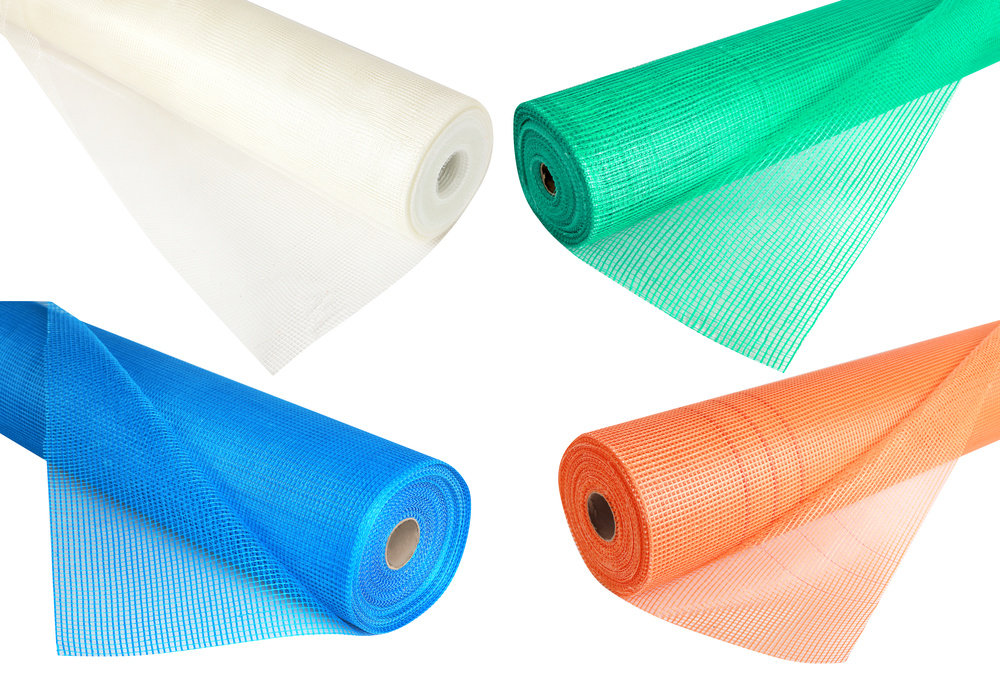
Quality-controlled fiberglass mesh rolls ready for eco-conscious construction applications
Product Application Section
Preparation for Sustainable Installation
Proper preparation ensures optimal performance of recyclable fiberglass mesh while maintaining environmental standards:
Surface Assessment: Evaluate substrate conditions and compatibility with eco-friendly adhesives
Material Calculation: Precisely measure required mesh quantities to minimize waste
Eco-adhesive Selection: Choose low-VOC, water-based adhesives for reduced environmental impact
Tool Preparation: Utilize reusable application tools and equipment
Installation Process
The step-by-step installation of recyclable fiberglass mesh follows sustainable construction principles:
Step 1: Surface Preparation
Clean and prepare the substrate using environmentally friendly cleaning solutions. Ensure surfaces are free from contaminants that could compromise adhesion or recyclability.
Step 2: Adhesive Application
Apply selected eco-adhesive evenly across the surface. Modern sustainable adhesives maintain strong bonding properties while minimizing volatile organic compound emissions.
Step 3: Mesh Placement
Position the recyclable fiberglass mesh over the adhesive, ensuring complete coverage and proper alignment. The mesh should extend beyond potential stress points for comprehensive reinforcement.
Step 4: Embedding and Smoothing
Use sustainable application tools to embed the mesh completely into the adhesive, removing air bubbles and ensuring uniform contact. This step guarantees optimal structural performance.
Step 5: Finishing Layer
Apply finishing materials compatible with the recyclable mesh system. Sustainable plasters and coatings enhance both performance and environmental credentials.
Modern sustainable architecture integrates recyclable materials throughout building systems
Best Practices for Optimal Sustainability
Expert tips for achieving superior results with recyclable fiberglass mesh:
Integrated Design: Incorporate mesh specifications during architectural planning phase
Waste Minimization: Calculate precise quantities to reduce cutting waste
Quality Assurance: Verify material certifications for recyclability claims
Lifecycle Documentation: Maintain records for future recycling and material recovery
Performance Monitoring: Track long-term durability to validate sustainable benefits
Product Specifications & Features
Recyclable fiberglass mesh combines technical excellence with environmental responsibility:
Material Composition: High-quality glass fibers with recyclable polymer coating
Mesh Density: 4x4 to 6x6 patterns optimized for structural reinforcement
Weight: 60-90 g/m² balancing strength with material efficiency
Width Options: 1m standard rolls with customizable dimensions
Superior flexibility minimizing installation waste
Better integration with sustainable insulation systems
Vs. Conventional Reinforcement
Documented carbon footprint reduction
Third-party verified sustainability claims
Alignment with global green building standards
Support for circular economy construction practices
Case Study: LEED Platinum Certified Office Complex
A recent sustainable construction project demonstrates the practical application of recyclable fiberglass mesh:
Project Overview
Location: Seattle, Washington
Building Type: 12-story commercial office complex
Sustainability Goal: LEED Platinum certification
Total Area: 45,000 square meters
Challenge
The project required wall reinforcement materials that would:
Support innovative curved architectural designs
Meet strict LEED material sourcing requirements
Provide documented environmental benefits
Maintain structural integrity for 50+ year lifespan
Solution Implementation
The architectural team specified recyclable fiberglass mesh throughout the building envelope:
Exterior Walls: 8,500m² of recyclable mesh for stucco reinforcement
Interior Partitions: 12,000m² for drywall crack prevention
Special Features: Custom cut mesh for curved architectural elements
Green Roof Systems: Reinforcement for extensive vegetative roofing
Sustainability Outcomes
Material Recovery: 95% of mesh designated for future recycling
Carbon Reduction: 42-ton CO2 equivalent saved vs. conventional materials
Certification Support: Contributed 8 LEED points for material sustainability
Waste Minimization: Reduced construction waste by 3.2 tons
Lifecycle Benefits: Extended building maintenance intervals by 30%
Conclusion
Recyclable fiberglass mesh represents a significant advancement in sustainable construction technology. By addressing environmental challenges through innovative material design, it delivers comprehensive benefits for green building projects. Whether for commercial developments seeking LEED certification, residential properties prioritizing environmental responsibility, or institutional buildings committed to sustainability goals, incorporating recyclable fiberglass mesh ensures both structural performance and ecological stewardship. The integration of cut mesh options further enhances design flexibility while maintaining environmental principles, demonstrating that sustainable construction can achieve aesthetic excellence without compromising ecological values.